Introduction
In recent years, the wellness industry has witnessed a remarkable transformation. Consumers are increasingly turning away from synthetic supplements and pharmaceutical quick-fixes, instead embracing the ancient wisdom of plant-based remedies. Botanical wellness products—ranging from herbal tinctures to adaptogenic teas—have moved from niche health stores to mainstream consciousness, and for good reason.
The growing interest in botanical wellness reflects a broader cultural shift toward natural, sustainable, and holistic approaches to health. People are asking better questions about what they put into their bodies, seeking products that work in harmony with their physiology rather than overriding it. This guide will walk you through everything you need to know about botanical wellness products, helping you make informed decisions on your journey toward natural well-being.
What Are Botanical Wellness Products?
Botanical wellness products are plant-derived preparations designed to support physical, mental, and emotional health. Unlike conventional pharmaceuticals, which typically isolate single active compounds, botanical products leverage the synergistic power of whole plants—where countless compounds work together to produce balanced, gentle effects.
Product Overview
At their core, botanical wellness products honor traditional herbalism while embracing modern extraction and formulation techniques. They can include everything from a simple chamomile tea to complex adaptogenic blends featuring rare medicinal mushrooms. The unifying principle is the use of plants as medicine, food, and ritual—all in service of optimal wellness.
These products are generally categorized by their intended benefit:
- Adaptogens: Herbs that help the body resist stressors (ashwagandha, rhodiola, ginseng)
- Nervines: Plants that support the nervous system (chamomile, passionflower, lemon balm)
- Digestives: Botanicals that aid gut health (peppermint, ginger, fennel)
- Immunomodulators: Plants that support immune function (elderberry, echinacea, reishi)
- Sleep aids: Botanicals that promote restful sleep (valerian root, lavender, magnolia bark)
Common Categories
The botanical wellness market has expanded dramatically, offering products in numerous formats to suit different preferences and lifestyles:
Tinctures and Liquid Extracts: These alcohol-based or glycerin-based preparations preserve the active compounds of herbs in concentrated form. They’re fast-acting, highly bioavailable, and easy to dose.
Capsules and Tablets: For those who prefer convenience and precision, encapsulated botanicals offer standardized dosing without the taste of liquid preparations.
Teas and Infusions: Perhaps the oldest form of botanical wellness, teas offer a gentle, ritualistic approach to plant medicine. They’re ideal for daily support and relaxation.
Powders: Adaptogenic powders, greens blends, and mushroom complexes are increasingly popular, easily incorporated into smoothies, coffee, or baked goods.
Topicals: Botanical-infused creams, balms, and oils address localized concerns like muscle tension or skin health.
Functional Beverages: Ready-to-drink botanical elixirs, kombuchas, and infused waters offer on-the-go wellness.
Different Product Formats: Choosing What Works for You
Understanding the various product formats is essential to selecting the botanical wellness products that best fit your lifestyle and health goals.
Drops
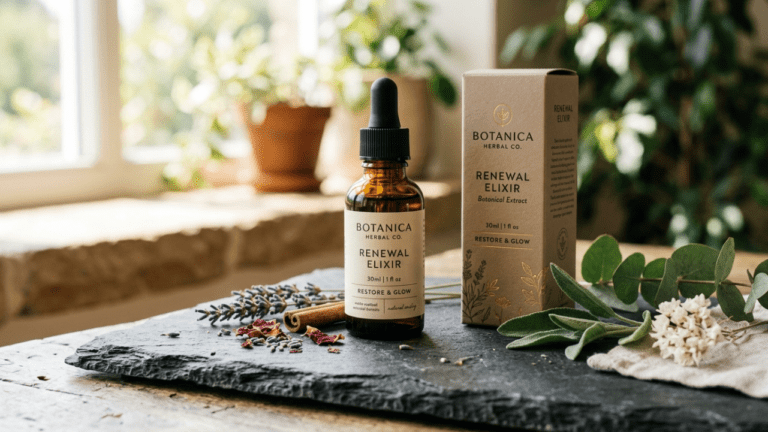
Liquid drops—typically tinctures or glycerites—are among the most versatile botanical formats. They offer rapid absorption through the sublingual (under the tongue) route, bypassing the digestive system for quicker effects.
Best for: Those who want fast-acting results, precise dosing, and the ability to customize their intake. Drops are especially useful for acute needs like stress relief or sleep support.
What to look for: High-quality extracts with clear herb-to-solvent ratios, organic ingredients, and minimal additives.
How to use: Usually taken directly under the tongue, held for 30–60 seconds, then swallowed. Some drops can also be added to water or tea.
Capsules
Encapsulated botanicals offer unmatched convenience for daily supplementation. They’re tasteless, portable, and provide consistent dosing.
Best for: Busy individuals, travelers, or anyone who dislikes the taste of herbs. Capsules are ideal for long-term, consistent support.
What to look for: Vegetarian or gelatin capsules, transparent ingredient sourcing, and clear potency labeling. Avoid capsules with excessive fillers or flow agents.
How to use: Take with water, typically with or without food depending on the specific product instructions.
Teas
Teas provide more than just herbal medicine—they offer a mindful ritual that in itself supports well-being. The act of brewing and sipping tea can be deeply calming.
Best for: Daily wellness routines, evening wind-downs, and those who appreciate the sensory experience of botanical wellness.
What to look for: Loose-leaf teas often offer superior quality to tea bags, with whole or cut herbs rather than dust and fannings.
How to use: Steep in hot water for 5–15 minutes, depending on the herb and desired strength. Covering while steeping preserves volatile oils.
Powders
Botanical powders are incredibly versatile and nutrient-dense. They can contain single herbs or complex blends designed for specific outcomes.
Best for: Smoothie enthusiasts, home cooks, and those looking to layer multiple botanicals into their diet.
What to look for: Fine-milled powders that dissolve or blend well, organic certification, and detailed sourcing information.
How to use: Blend into smoothies, mix into yogurt or oatmeal, or stir into coffee or hot cocoa.
How to Evaluate Product Quality
With the botanical wellness market growing rapidly, quality varies significantly between brands. Knowing how to evaluate products is essential for both safety and efficacy.
Ingredient Transparency
High-quality botanical wellness products come with complete transparency about their ingredients. Look for:
- Full ingredient lists: Every ingredient should be clearly named, including carriers, preservatives, and flavorings.
- Herb sourcing information: Ideally, brands specify where their herbs are grown and how they’re processed.
- Part of the plant used: Different plant parts contain different compounds—roots, leaves, flowers, and seeds each have unique properties.
- Extraction methods: Quality brands disclose whether they use alcohol extraction, CO2 extraction, water extraction, or other methods.
- Potency information: For active compounds, products should specify concentration or standardized percentage.
Manufacturing Standards
The most trustworthy botanical wellness brands invest in rigorous manufacturing standards:
- Good Manufacturing Practices (GMP): This certification ensures products are consistently produced and controlled according to quality standards.
- Third-party testing: Independent lab testing verifies potency, purity, and absence of contaminants. Look for products with accessible Certificate of Analysis (COA) documents.
- Organic certification: Organic herbs are grown without synthetic pesticides, herbicides, or GMOs, reducing your exposure to harmful chemicals.
- Sustainable sourcing: Eco-conscious brands prioritize wildcrafting practices that preserve plant populations and ecosystems.
Brand Reputation
A brand’s reputation often reflects its commitment to quality and customer satisfaction:
- Longevity and history: Brands that have been operating for years typically have established quality control systems.
- Customer reviews: Genuine customer experiences can reveal insights about product effectiveness and consistency.
- Practitioner endorsements: Many quality botanical brands are recommended by herbalists, naturopaths, and integrative medicine practitioners.
- Educational resources: Brands that invest in customer education demonstrate genuine commitment to consumer well-being.
Common Buying Mistakes to Avoid
Even experienced wellness enthusiasts can fall into traps when shopping for botanical products. Here are the most common pitfalls:
1. Choosing Based on Price Alone
In botanical wellness, you truly get what you pay for. Extremely cheap products often use lower-quality herbs, weaker extracts, and questionable fillers. While premium products aren’t always better, suspiciously low prices should raise red flags.
2. Overlooking the Importance of Dosage
Botanicals vary widely in potency. A product with an unclear dosage or extremely low active ingredient concentration may be ineffective, while one that’s too potent could cause unwanted effects. Always start with the lowest recommended dose and adjust gradually.
3. Ignoring the Part of Plant Used
A common mistake is assuming all products from the same plant are equivalent. For example, ashwagandha root and ashwagandha leaf have different active compound profiles. Always verify which plant part is used in your product.
4. Falling for Marketing Hype
Claims like “miracle cure” or “instant results” should be met with healthy skepticism. Quality botanical wellness is about sustainable, gradual support—not overnight transformation.
5. Not Consulting Healthcare Providers
Botanicals can interact with medications and may not be suitable for everyone, including pregnant or nursing individuals. Always consult with a qualified healthcare provider before starting any new supplement regimen.
Frequently Asked Questions
Are botanical wellness products safe?
When sourced from reputable brands and used as directed, botanical wellness products are generally safe for most people. However, individual responses vary, and some herbs may interact with medications or be contraindicated for certain conditions. Always consult a healthcare professional before starting any new botanical regimen.
How long does it take to see results?
The timeline depends on the specific botanical and the condition it’s addressing. Some herbs, like chamomile for sleep, can have immediate effects. Others, particularly adaptogens, may take 4–12 weeks of consistent use to show noticeable benefits. Patience and consistency are key.
Can I combine multiple botanical products?
Yes, but approach with care. Starting with one product at a time helps you understand individual effects before adding others. Some herbs work synergistically, while others may interact. If you’re new to botanicals, consider seeking guidance from an herbalist or integrative medicine practitioner.
Are botanical products regulated?
In most countries, botanical wellness products fall under dietary supplement regulations rather than pharmaceutical standards. This means quality and safety aren’t guaranteed without consumer vigilance. Choose brands that voluntarily undergo third-party testing and maintain transparent manufacturing practices.
What’s the difference between herbs and spices in wellness?
While often used interchangeably, herbs (like chamomile, valerian, and passionflower) are typically the leafy parts of plants valued for medicinal properties. Spices (like cinnamon, turmeric, and ginger) come from seeds, roots, bark, or fruits and are often used both culinarily and medicinally. Both have important wellness applications.
Do I need to cycle botanical products?
Many herbalists recommend cycling certain botanical products—taking breaks to prevent tolerance and give the body a chance to respond naturally. Adaptogens, in particular, are often cycled (e.g., 5 days on, 2 days off). Follow product recommendations and consult a professional for personalized advice.
Final Thoughts
Botanical wellness products represent a beautiful intersection of ancient wisdom and modern science. They offer a gentler, more holistic path toward health—one that works with your body’s innate intelligence rather than overriding it. Whether you’re drawn to the ritual of a warm tea, the convenience of capsules, or the rapid absorption of tincture drops, there’s a botanical product perfectly suited to your needs.
Remember that wellness is a journey, not a destination. Start slowly, choose quality products from transparent brands, and give your body time to respond. With patience and discernment, botanical wellness products can become a meaningful part of a balanced, intentional lifestyle.